
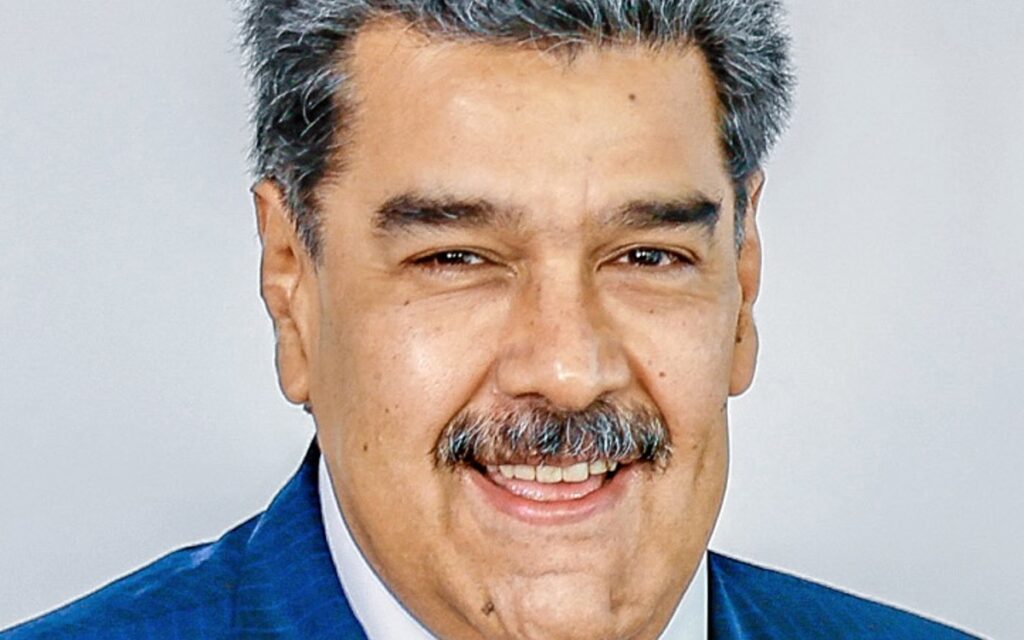
ALBUQUERQUE — While demonstrations opposing the U.S. military operation in Venezuela have taken place in Albuquerque in recent days, other New Mexicans, including members of the state’s Venezuelan community, have expressed relief and support following the capture of Venezuelan President Nicolás Maduro.
U.S. officials announced Jan. 3 that American forces detained Maduro and his wife, Cilia Flores, during an operation in Venezuela ordered by the Trump administration. The action has prompted sharply divided reactions nationwide, including among Venezuelans living in the United States.
In Albuquerque, some Venezuelan immigrants said the news was met with cautious celebration after years of political repression, economic collapse and widespread poverty under Maduro’s government.
Carlos Rojas, a Venezuela native and co-owner of Arepas El Pana in Albuquerque, told KOAT that Maduro’s capture represented a turning point he never expected to see.
“You have to live there to feel what’s going on in Venezuela,” Rojas said. “From my point of view, it was right. We needed that because we were helpless in Venezuela.”
Rojas said his reaction was shaped by personal experience, including food shortages, political unrest and the mass emigration of Venezuelans over the past decade. Like others in the diaspora, he said the development brought relief, but also uncertainty about what comes next for the country.
Across the United States, Venezuelan expatriates have expressed similar reactions, with some celebrating the end of Maduro’s rule while others voiced concern about the future stability of Venezuela and the role of foreign governments in any political transition.
In New Mexico, reactions to the operation have varied sharply. Over the weekend, protesters marched through downtown Albuquerque criticizing the legality of the military action and questioning U.S. involvement abroad. Others, however, said the focus should remain on the humanitarian conditions Venezuelans endured under Maduro’s government.
For many Venezuelan immigrants in the state, the moment carried emotional weight beyond politics.
“This isn’t about party or ideology,” Rojas said. “It’s about what people lived through.”