
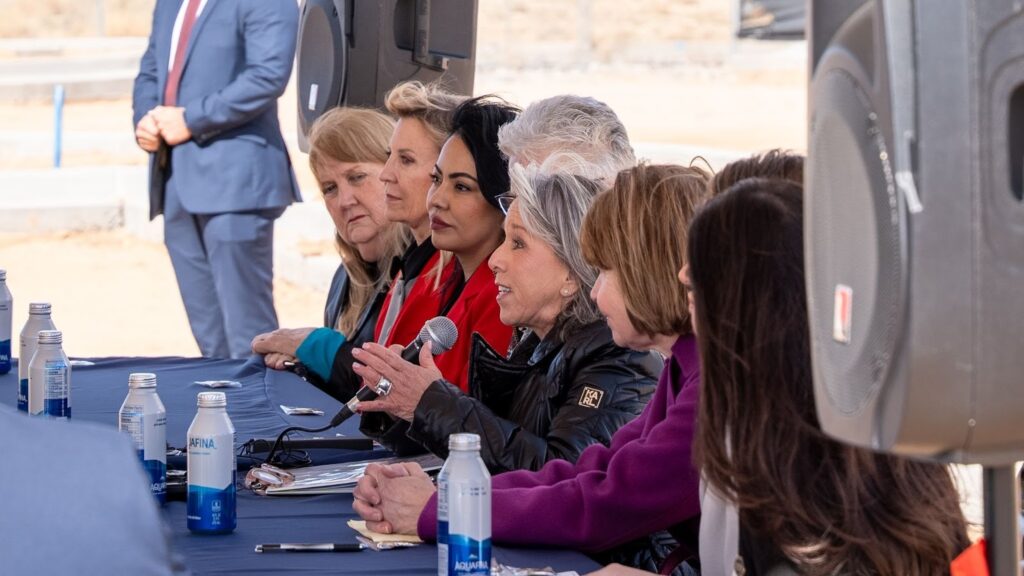
LOS LUNAS — Gov. Michelle Lujan Grisham on Thursday signed a package of health care bills into law, including long-debated medical malpractice reforms that lawmakers and physicians say are aimed at stabilizing New Mexico’s medical workforce and expanding access to care across the state.
The legislation, centered on House Bill 99, modifies New Mexico’s medical malpractice framework by establishing clearer limits on punitive damages and raising the legal standard required for those damages to be awarded. Supporters say the changes will help create a more predictable liability environment for physicians while preserving compensation for patients harmed by medical negligence.
The reforms arrive after years of warnings from physicians and hospital leaders that rising malpractice costs and legal uncertainty were contributing to a worsening shortage of doctors across the state.
“New Mexico families deserve a health care system that works for them — one where doctors are available, bills are fair and coverage doesn’t disappear because of bad decisions made in Washington,” Lujan Grisham said in a statement following the signing. “The bills I signed today are a direct response to the barriers that have stood between New Mexicans and the health care they need and deserve.”
The governor thanked lawmakers from both parties for advancing the legislation.
“I want to thank every member of the New Mexico Legislature who voted for these bills, and especially the sponsors for their hard work in making sure they got to my desk,” she said. “All New Mexicans will benefit as a result.”
State Sen. Crystal Brantley, R-Elephant Butte, who has pushed for malpractice reform for several legislative sessions, said the signing represents the culmination of years of work by lawmakers, physicians, hospitals and patients seeking to address what many have described as a growing access-to-care crisis.
“Today was a victory for the people of New Mexico who have worked so hard to push their legislators to fix this healthcare crisis,” Brantley said. “I represent one of the largest districts in the state — and one of the largest in the nation — made up of small, rural communities. In far too many of those communities, families struggle every day just to access basic medical care.”
Brantley said lawmakers began pursuing malpractice reforms in earnest in 2022 as doctors warned that New Mexico’s legal environment was making it increasingly difficult to recruit and retain physicians.
“The reality is simple: if doctors cannot afford to practice in New Mexico, patients cannot receive care in New Mexico,” she said.
The legislation ultimately passed both chambers with bipartisan support after weeks of negotiations among lawmakers, health care providers, hospitals and legal stakeholders. The final bill reflected a compromise after earlier proposals faced opposition from trial attorneys and other interest groups.
“Along the way we saw how easily a reform effort like this could be derailed by special interests trying to protect the status quo,” Brantley said. “But the people of this state spoke clearly, and the Legislature ultimately came together to pass a consensus bill focused on restoring access to healthcare.”
Among those attending Thursday’s signing was Dr. Nathanial Roybal, a vitreoretinal surgeon and partner with New Mexico Retina Associates, which operates clinics in Albuquerque and Las Cruces. Roybal specializes in diseases and surgery of the retina and vitreous and treats patients with complex eye conditions including retinal detachments and diabetic eye disease.
Speaking in an exclusive interview with the New Mexico Sentinel following the signing ceremony, Roybal said the reforms represent the result of years of advocacy by physicians and patients who have watched access to care deteriorate in communities across the state.
“This crisis has been building for years, and physicians across New Mexico have been trying to make progress on it for a long time,” Roybal said.
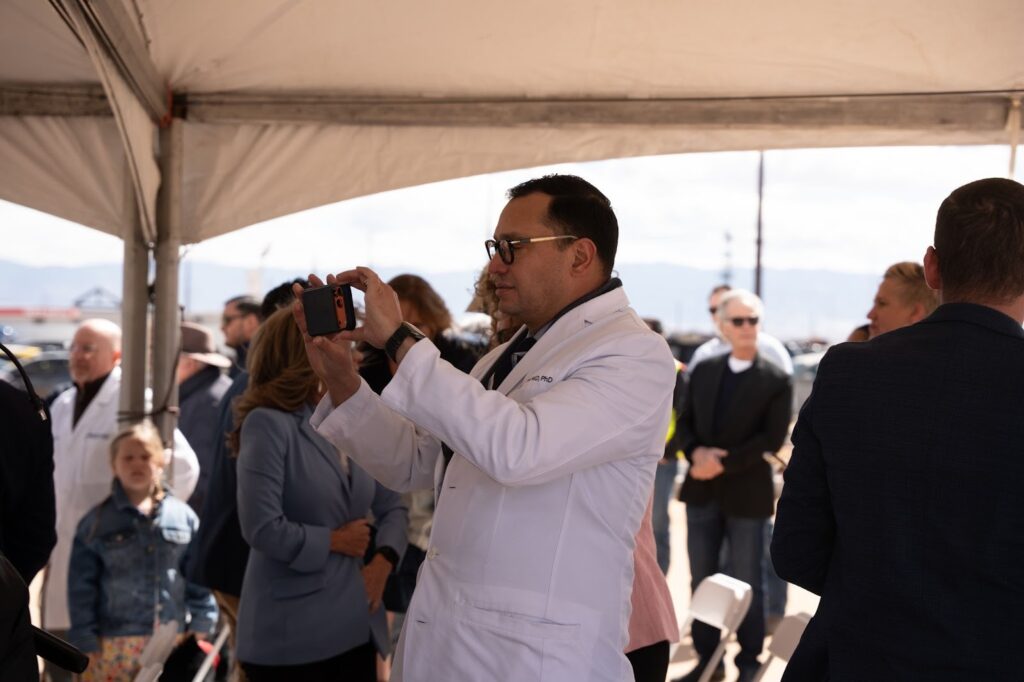
Roybal said bipartisan recognition of the problem ultimately allowed the legislation to move forward.
“What made the difference this time was bipartisan legislative support,” he said. “Lawmakers came together around the idea that we all want our communities to be healthy.”
Roybal also credited patients and communities across New Mexico for raising awareness about the impact of physician shortages.
“The people who deserve the most credit are the people of New Mexico,” he said. “They recognized their communities needed better access to care and they spoke up about it.”
Roybal described those patients and families as the “silent champions” behind the reform effort.
“They advocated for themselves through their doctors and through their legislators,” he said. “I’m really proud of them.”
Supporters say the malpractice reforms represent an important step toward stabilizing New Mexico’s health care system, though lawmakers acknowledge broader efforts will still be needed to address workforce shortages and improve access to care, particularly in rural parts of the state.
For Brantley, Thursday’s bill signing marked a rare bipartisan victory on one of the most contentious health policy debates in recent years.
“I’m proud of the work the Legislature did to deliver this reform,” she said, “and grateful to everyone — on both sides of the aisle — who set aside politics and put the health of New Mexicans first.”