
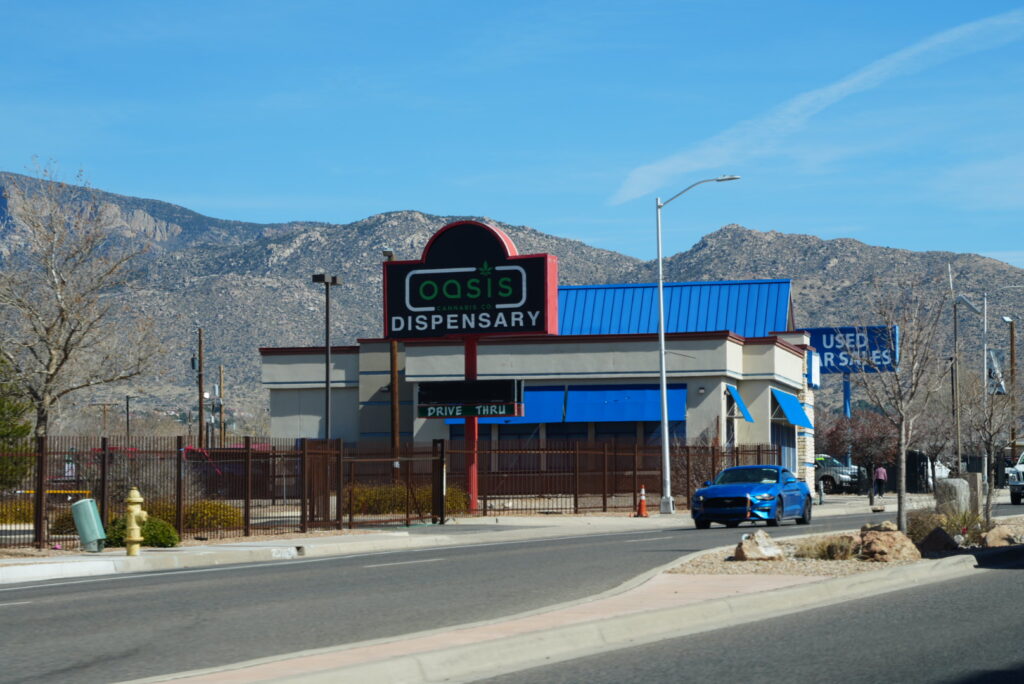
SANTA FE — Several years after recreational marijuana became legal in a growing number of U.S. states, including New Mexico, data from state agencies and researchers show a mix of economic gains, increased consumption and emerging public health concerns.
New Mexico legalized recreational cannabis in 2021, with retail sales beginning April 1, 2022. Since then, consumers have purchased more than $1 billion in cannabis products, including about $678 million in adult-use sales and $332 million in medical sales, according to figures released by state officials in 2024. The industry has generated roughly $75 million in cannabis excise taxes for state and local governments and recorded more than 21 million transactions.
Sales grew quickly after legalization took effect. In the first year of recreational sales alone, New Mexico reported about $300 million in adult-use purchases, issued roughly 2,000 cannabis business licenses and collected more than $27 million in excise taxes, according to state data.
Supporters of legalization cite those figures, along with new businesses and jobs tied to cultivation, manufacturing and retail, as evidence the policy has produced economic benefits. Adult-use cannabis sales are subject to a 12% state excise tax, which is scheduled to gradually increase to 18% by 2030, in addition to standard sales taxes.
Public health data, however, show trends that have drawn concern from state officials. A New Mexico Department of Health advisory report found cannabis exposures among young children have increased sharply in recent years. Calls to the New Mexico Poison and Drug Information Center involving children ages 0 to 5 more than doubled between 2019 and 2023, with more than half involving edible cannabis products.
The same report found cannabis-related emergency department visits have increased since 2019, particularly among adolescents.
Public safety officials are also monitoring impaired driving trends. Before legalization, a statewide report documented 431 crashes in 2018 in which drugs were a factor, including 110 fatal crashes, though toxicology reports often detect multiple substances and do not isolate marijuana alone. Law enforcement agencies say measuring marijuana impairment remains more difficult than measuring alcohol intoxication.
Market conditions have also presented challenges for the new industry. A 2023 briefing to state lawmakers indicated New Mexico may be producing more cannabis than consumers demand. The state now has more than 1,000 licensed cannabis retailers, operating in a population of roughly 2.1 million residents. Industry representatives told lawmakers some small businesses reported monthly revenues below sustainability levels, while unregulated cannabis products remain available outside the legal market.
New Mexico’s experience reflects broader national trends as more states adopt legalization policies. Surveys show marijuana use has increased across the United States over the past decade, with tens of millions of Americans reporting regular use. Researchers say wider availability, reduced stigma and higher-potency products have contributed to rising consumption.
Legalization has also reduced criminal penalties for possession in many states and established regulated markets intended to replace illegal sales. At the same time, studies suggest unregulated marijuana products continue to circulate widely, complicating efforts to measure legalization’s full impact on public safety and public health.
Researchers say long-term effects remain uncertain. New Mexico’s recreational market is still relatively new, and comprehensive studies examining health, social and economic outcomes often lag behind policy changes.
For now, the data suggest legalization has produced significant economic activity while coinciding with increases in cannabis use, pediatric exposures and ongoing regulatory challenges — trends policymakers and health officials say will require continued monitoring in the years ahead.