
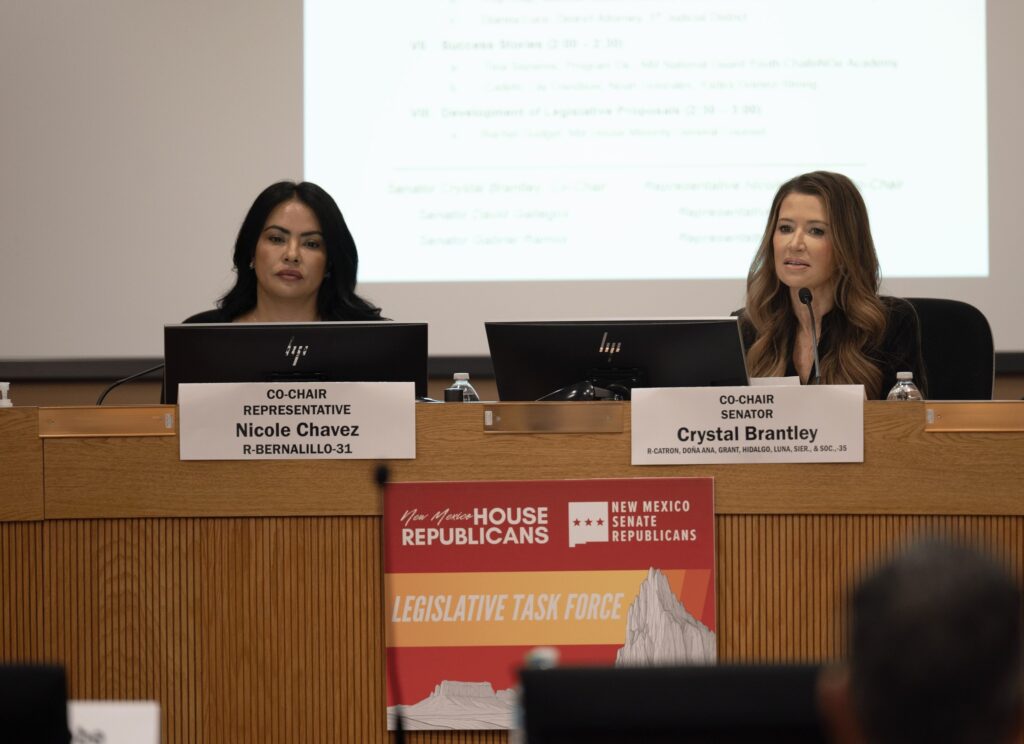
SANTA FE — Republican members of a key legislative education panel in New Mexico are voicing frustration after several proposed school reform measures were left out of the committee’s interim work plan, according to a press release issued May 1.
The Legislative Education Study Committee, which helps guide education policy between legislative sessions, approved its interim agenda on April 30. Senate Republicans said the committee declined to consider multiple proposals they had requested, including expanding school choice options, implementing a statewide classroom cell phone ban, and granting schools greater authority to remove disruptive students.
Only one of the proposals, aligning Career and Technical Education programs with industry-recognized credentials, was adopted as a primary focus for the committee’s work in the coming months, according to the release.
Sen. Craig Brandt, a Republican and former school board member, said families across the state are seeking improved academic outcomes and more flexibility in education options. He argued that policies such as school choice and stricter classroom standards could help address ongoing concerns about student performance.
“From the schoolhouse to the Roundhouse, New Mexico parents are demanding greater results,” Brandt said in a statement, adding that schools should be able to reduce distractions and prioritize academic achievement.
Among the proposals highlighted by Republicans was a statewide ban on student cell phone use during instructional time. According to the release, more than half of U.S. states have adopted similar restrictions. New Mexico law currently requires individual school districts to establish their own policies, a step lawmakers approved in 2025.
Sen. Crystal Brantley, an advisory member of the LESC, said broader statewide action could provide consistency and improve classroom focus. She described such measures as “commonsense policies” aimed at supporting student learning.
Republican lawmakers also emphasized proposals aimed at increasing parental involvement and strengthening classroom discipline. Sen. Candy Spence Ezzell said she believes educational outcomes have declined over time and called for renewed focus on preparing students for the workforce and their communities.
The LESC plays a central role in shaping education legislation by studying policy issues and recommending priorities ahead of each legislative session. Its interim work plan often signals which proposals are most likely to be developed into legislation.
Despite their concerns, Senate Republicans indicated they plan to continue advocating for the excluded measures during future committee meetings and as lawmakers prepare for upcoming legislative sessions.
The committee’s decisions come as New Mexico continues to face longstanding challenges in public education, including low national rankings in student achievement and ongoing debates over how best to improve outcomes.