
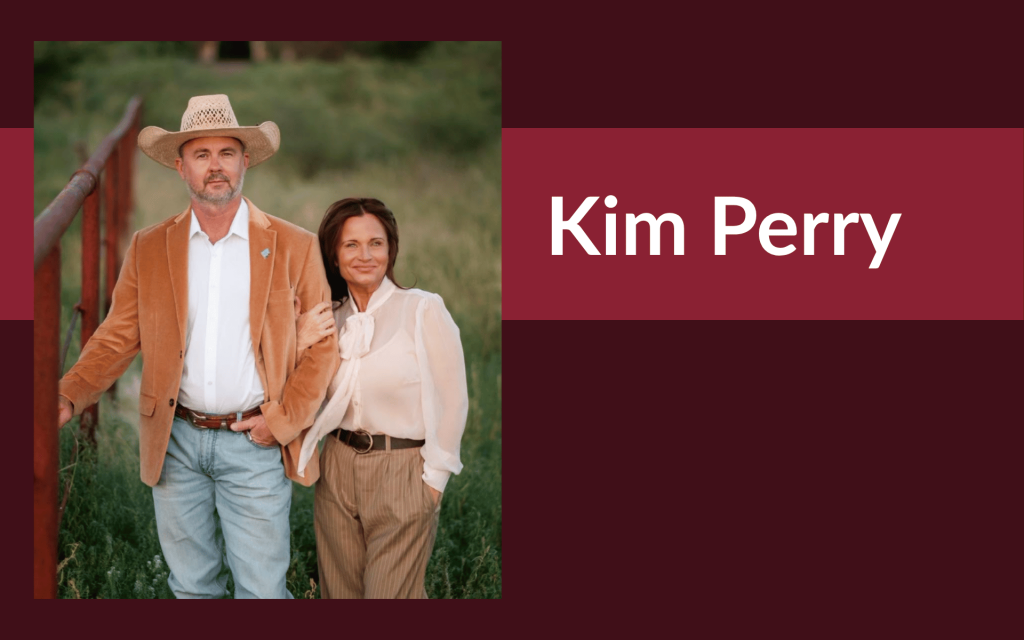
Written by Kim Perry
For years, I have heard the same explanation when I ask why major oil and gas companies contribute so heavily to Democratic candidates in New Mexico:
“They’re hedging their bets.”
I am tired of hearing it.
At some point, if you continue making the same political investments and continue getting the same results, it is no longer hedging your bets. It is participating in a system you later complain about.
Every legislative session, oil and gas representatives go to Santa Fe to fight bills they believe will increase costs, restrict development, impose additional regulations, or make New Mexico a less attractive place to do business.
Who introduces and sponsors many of those bills?
Democrats.
And who is so often standing against those bills, questioning their impacts on jobs, production, rural communities and state revenue?
Republicans.
Then campaign season comes around, and major oil and gas interests turn around and give substantially more political money to Democrats than Republicans. Based on the campaign finance numbers I have been reviewing, the difference is quite substantial.
So I have a very simple question:
Why do you continue financially supporting the political side responsible for so many of the policies you then spend enormous amounts of time and money fighting?
And please don’t tell me you’re hedging your bets.
What has hedging your bets gotten you?
Look at what has happened in New Mexico.
We have seen approximately 20 percent of oil and gas development move away from State Trust Land toward federal BLM land because operators do not want to engage with the State Land Office.
That should concern every New Mexican.
Some State Trust Land oil and gas leases can carry royalty rates reaching 25 percent, while certain longstanding federal leases have rates around 13 percent. When development moves from State Trust Land to federal acreage, the oil and gas development doesn’t necessarily disappear.
It moves.
And New Mexico’s trust beneficiaries can lose the opportunity for the greater direct return that development on State Trust Land could have generated.
Meanwhile, renewable energy development on State Trust Land can generate lease or royalty rates in the neighborhood of 3 to 6 percent, while oil and gas can face rates reaching 25 percent.
Oil and gas is expected to account for reclamation and cleanup, as it should be.
But where is the comparable permanent reclamation fund for renewable energy?
If a wind turbine, solar installation, road or transmission facility reaches the end of its useful life, someone will eventually have to remove that infrastructure and restore the land.
Why should the principle be different depending upon the energy source?
Then consider our independent producers.
Over approximately the last eight years, New Mexico has lost roughly half of its independent oil and gas producers.
These aren’t all multinational corporations.
Independent producers hire New Mexicans. They hire local contractors. They buy equipment. They eat at our restaurants. Their kids attend our schools. They sponsor Little League teams and livestock shows. They are part of the communities where they operate.
A major corporation may have the legal departments and financial resources to absorb another regulatory requirement.
A small independent producer may not.
Eventually that producer sells, consolidates, leaves or closes.
And we lose another New Mexico business.
So when does the strategy change?
This is the part I struggle to understand.
The industry warns that regulations are becoming excessive.
It warns that legislation could discourage investment.
It complains about the direction of the State Land Office.
It worries about the loss of independent producers.
It fights proposals coming through the Legislature.
And then many of its largest political contributions continue flowing toward candidates from the party largely responsible for those policies.
At what point do you stop calling that strategy?
If you continue making the same choices, funding the same political power structure and getting the same results through Democratic administrations, then eventually you lose the right to cry about the outcome.
You helped finance it.
That doesn’t mean Republicans are entitled to oil and gas money. They aren’t.
And it doesn’t mean every Democrat is hostile to oil and gas. They aren’t.
Companies also have every right to contribute to whomever they choose.
But those companies cannot expect New Mexicans not to notice the contradiction.
If you tell your employees that a bill threatens their jobs on Monday, lobby against it on Tuesday, and then financially support the politicians advancing those policies during campaign season, your employees have every right to ask why.
Invest in something different
Perhaps some of that political money could be invested in something with a much longer return: education.
Why doesn’t New Mexico have a major oil and gas education initiative traveling from community to community?
Build an interactive trailer and take it into our schools.
Let students, teachers and parents see where New Mexico’s energy comes from and how oil and gas revenue contributes to our public institutions.
Then show them something else that gets lost in the energy debate.
Petroleum isn’t only gasoline.
Put everyday products on display: cell phones, computers, eyeglasses, medical equipment, athletic shoes, synthetic clothing, tires, asphalt, insulation, paints, adhesives, detergents, plastics and countless other products whose materials or manufacturing can involve petroleum or natural gas derived feedstocks.
Let students walk through a mock house and try to identify the petroleum related products themselves.
And don’t hide the difficult issues.
Teach them about emissions.
Teach them about water.
Teach them about spills and abandoned wells.
Teach them about reclamation.
Show them what responsible operators are doing well and where the industry needs to do better.
Then teach them about wind and solar too.
Give young New Mexicans the whole picture and trust them to think for themselves.
Imagine what could happen if even a portion of the money spent trying to maintain political access were invested in creating a generation of New Mexicans who actually understand the industry.
Follow both trails
I am not suggesting oil and gas companies withdraw from the political process.
I am suggesting they start asking whether their current political strategy is working.
Follow the legislation.
Who sponsored it?
Who voted for it?
Who fought it?
Then follow the campaign contributions.
Who received the money?
Finally, compare the two.
If the industry discovers that it is repeatedly financing politicians whose policies it later spends millions fighting, perhaps the problem isn’t that New Mexico voters don’t understand oil and gas.
Perhaps the industry needs to reconsider how it uses its own influence.
“Hedging your bets” only makes sense when occasionally you win the bet.
If you keep placing the same bet, getting the same result, and complaining about what happens afterward, don’t blame the dealer.
At some point, you have to look at who keeps putting the chips on the table.