
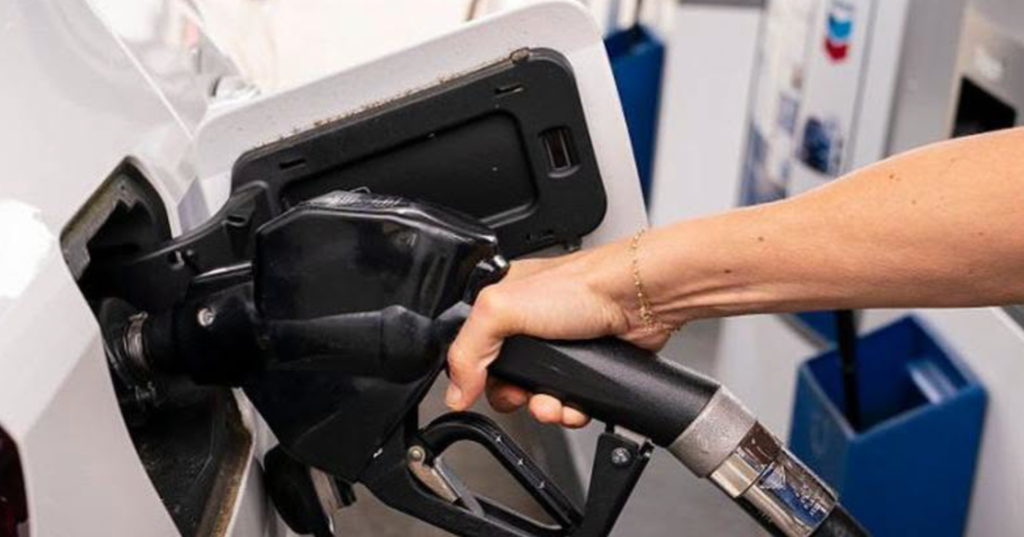
SANTA FE, N.M. — New Mexico lawmakers are considering a proposal to raise the state’s gasoline tax by 3 cents per gallon as officials look for additional revenue to address rising road construction and maintenance costs.
The proposal presented to the Legislature’s Revenue Stabilization and Tax Policy Committee would increase the state gasoline excise tax from 17 cents to 20 cents per gallon. The special fuel excise tax, which applies to diesel and certain other fuels, would increase from 21 cents to 25 cents per gallon.
Supporters say the increases could provide a more reliable source of transportation funding as construction costs rise and the state faces a growing gap between available revenue and infrastructure needs.
The proposed increases are projected to generate about $57 million annually, with roughly $9 million going to road funds for cities and counties across New Mexico.
Sen. Bobby Gonzales, a Democrat from Ranchos de Taos, told lawmakers the additional cost for individual drivers would be relatively small compared with the expense motorists can face from deteriorating roads.
“Say you buy 12 gallons a week, 3 cents a gallon is 36 cents per week, but is under 20 dollars a year,” Gonzales said. “Bad roads cost them more in repairs.”
The discussion comes as the New Mexico Department of Transportation faces escalating costs for road construction and maintenance. Transportation officials recently told lawmakers that construction costs are projected to increase 136% by 2050. The department currently has about $1.4 billion worth of projects underway.
Gonzales said the additional revenue generated by the proposed fuel taxes could cover about one-fifth of the transportation funding gap the department is expected to face in coming years.
Other lawmakers questioned whether raising fuel taxes would be appropriate at a time when consumers are already dealing with higher gasoline prices.
Sen. Carrie Hamblen, a Democrat from Las Cruces, said lawmakers considering the proposal would have to account for the immediate effect fuel prices have on household budgets.
“I think the challenge for you, senator, when you’re presenting this bill, is addressing those issues, because every single person is going to be thinking about how much they just had to spend on their gas tank and filling up their gas,” Hamblen said.
The proposal remains under discussion ahead of the 2027 legislative session, which begins in January. If approved by the Legislature and signed into law, the higher gasoline and special fuel tax rates would take effect in July 2027.
Lawmakers are also examining potential changes to the state’s Motor Vehicle Excise Tax as another way to increase transportation funding. That proposal would not increase the tax rate paid by consumers but would redirect a larger share of existing revenue toward New Mexico roads.
The proposals are expected to be part of a broader debate during the upcoming legislative session over how the state should pay for long-term transportation needs while balancing the costs borne by motorists.