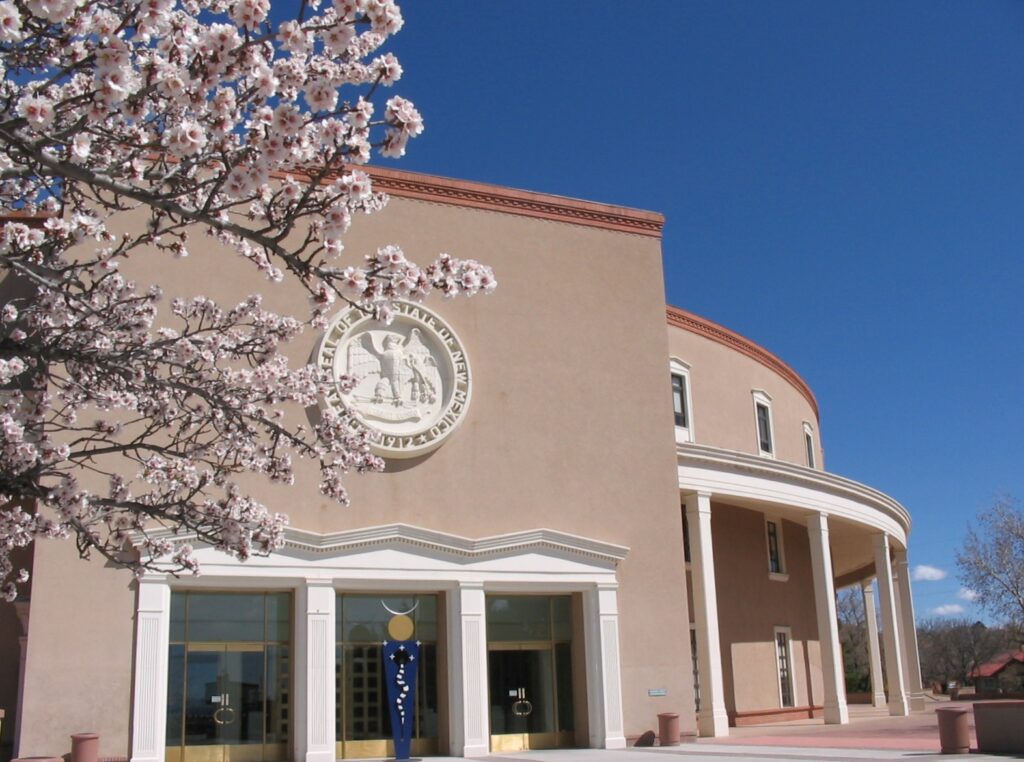
SANTA FE — The New Mexico Legislature will convene at noon today, opening the 2026 Regular Legislative Session, a constitutionally mandated 30-day budget session that will set state spending levels and determine which policy proposals advance under tight procedural limits.
Lawmakers will begin the session with immediate focus on the fiscal year 2027 state budget, the primary task of even-numbered year sessions. Budget negotiations will start from two competing frameworks already released: a roughly $11.1 billion general fund proposal from the Legislative Finance Committee, and a larger Executive budget recommendation totaling approximately $11.33 billion in recurring appropriations. Differences between the plans—particularly around spending growth, reserves, and the use of nonrecurring funds—are expected to shape early committee hearings and floor action.
The session will also mark the final regular legislative session for Governor Michelle Lujan Grisham, who is term-limited and cannot seek another term. Her administration is expected to exert significant influence over both budget negotiations and which policy bills are allowed to move forward during the shortened session.
Beyond fiscal legislation, a number of policy bills have already been pre-filed and are expected to draw early attention. Among them are measures dealing with juvenile justice and criminal sentencing, firearm regulations, election and redistricting procedures, education policy, and health care oversight. Sponsors from both parties have introduced bills addressing issues such as sentencing standards for repeat offenders, gun purchase requirements, election administration changes, school governance, and access to health services, signaling a broad range of debates competing for limited floor time.
Under legislative rules governing 30-day sessions, any bill not directly related to the budget must receive a formal message from the governor’s office before it can be scheduled for a first committee hearing. That requirement places significant gatekeeping authority with the executive branch and is expected to narrow the number of non-budget bills that advance beyond introduction.
Governor Lujan Grisham is scheduled to deliver her State of the State address later today, outlining her priorities for the session. Rebuttals from legislative leaders of both parties are also expected today, offering early insight into which pre-filed bills may receive executive support and which are likely to stall.
With just 30 days to act, lawmakers will face pressure to reconcile competing budget proposals while determining which policy initiatives—if any—clear the procedural hurdles required to move forward before adjournment in February.