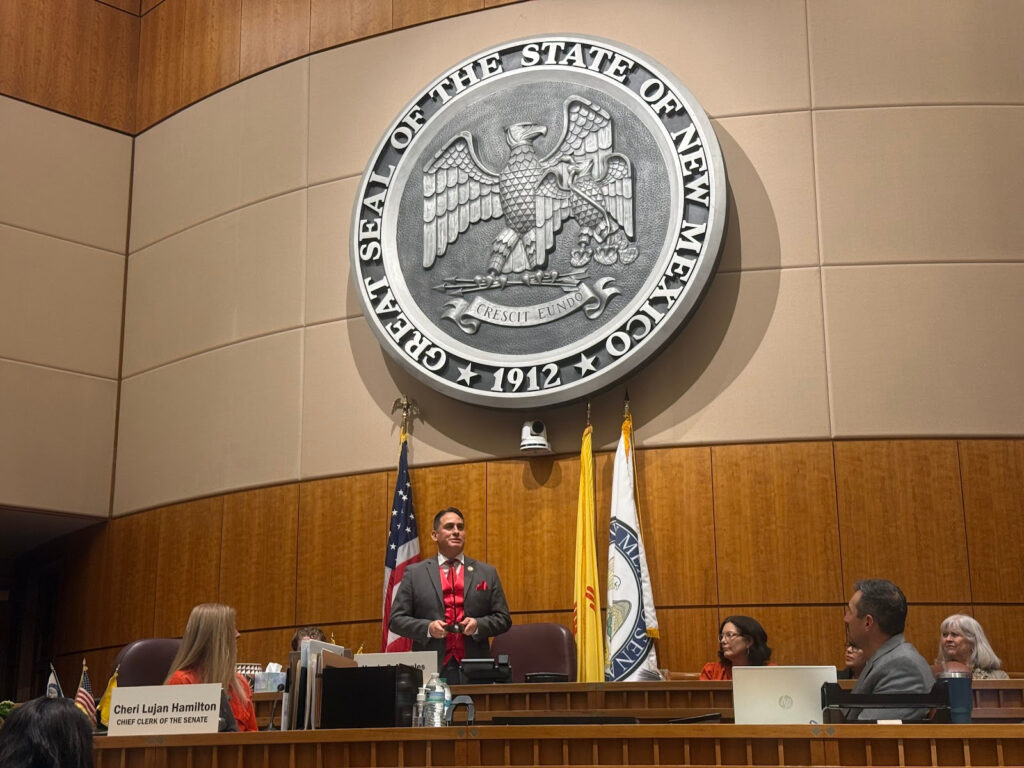
SANTA FE — Gov. Michelle Lujan Grisham is expected to sign a series of high-stakes bills this week that critics warn could cement a “nanny state” legacy, ballooning the state’s long-term liabilities while failing to address the root causes of New Mexico’s economic stagnation.
While the executive office has framed the 2026 legislative output as a “historic victory,” fiscal conservatives in the Roundhouse are sounding the alarm over record-level spending and the expansion of government intervention into private health care and family life.
Universal Child Care (SB 241): A Billion-Dollar Gamble
Perhaps the most contentious item on the Governor’s desk is Senate Bill 241, which officially turns New Mexico into a universal provider of child care. Funded by the state’s Early Childhood Trust Fund, the bill eliminates co-pays even for families earning well into the six-figure range.
“We are essentially subsidizing the wealthy on the backs of our natural resource revenue,” said one Republican lawmaker during the final floor debate. Critics argue that by tethering the state’s social safety net so heavily to the volatile oil and gas industry, a market downturn could leave New Mexico with a massive, unsustainable entitlement program and an empty rainy-day fund.
Medical Malpractice Reform (HB 99): A Vital Step for Physician Retention
House Bill 99 represents a hard-won victory for New Mexico’s medical community, offering a much-needed lifeline to a healthcare system on the brink. By finally restructuring the state’s medical malpractice framework, the bill establishes tiered, common-sense caps on damages—a move aimed at stabilizing skyrocketing insurance premiums that have driven local doctors out of state for years. The bill restructures New Mexico’s liability framework by establishing tiered, inflation-adjusted caps on punitive damages:
- $1 million for independent providers and clinics.
- $6 million for locally owned hospitals.
- $15 million for large, multi-state hospital systems.
Proponents hail the reform as a critical “first win” in making New Mexico a competitive place to practice medicine again. However, many conservative advocates and rural healthcare providers caution that while the bill is a significant improvement, the job is far from over. They argue that higher caps for large hospital systems and the persistent threat of high-cost litigation remain hurdles that may require further legislative action to fully solve the state’s chronic doctor shortage.
Mental Health and Commitment (SB 3)
Addressing public safety and the behavioral health crisis, Senate Bill 3 tightens the standards for involuntary civil commitment. The bill expands the definition of “harm to self” to include “grave passive neglect,” allowing authorities to intervene when an individual’s inability to provide for their own basic needs, such as food or medical care, poses a life-threatening risk.
The Literacy Act (SB 37)
In a major overhaul of K-12 education, Senate Bill 37 mandates that all reading instruction be based on the “science of reading” — an evidence-based approach emphasizing phonics and structural literacy. Starting in the 2027-2028 school year, the state will deploy dedicated literacy coaches to elementary schools performing in the bottom 25% for reading proficiency.
Health Care Access (HB 4): Expanding the Subsidy State
Finally, House Bill 4 redirects insurance premium surtax receipts into a state-run “Affordability Fund.” Rather than lowering the actual cost of care through market competition, the bill focuses on shielding residents from federal subsidy cuts. Opponents argue this creates a “subsidy trap” that obscures the rising costs of insurance while increasing the state’s overall role in the private insurance market.
The Governor is expected to sign the bills soon, locking in a legislative session defined by record spending and an unprecedented expansion of the state’s regulatory reach.