
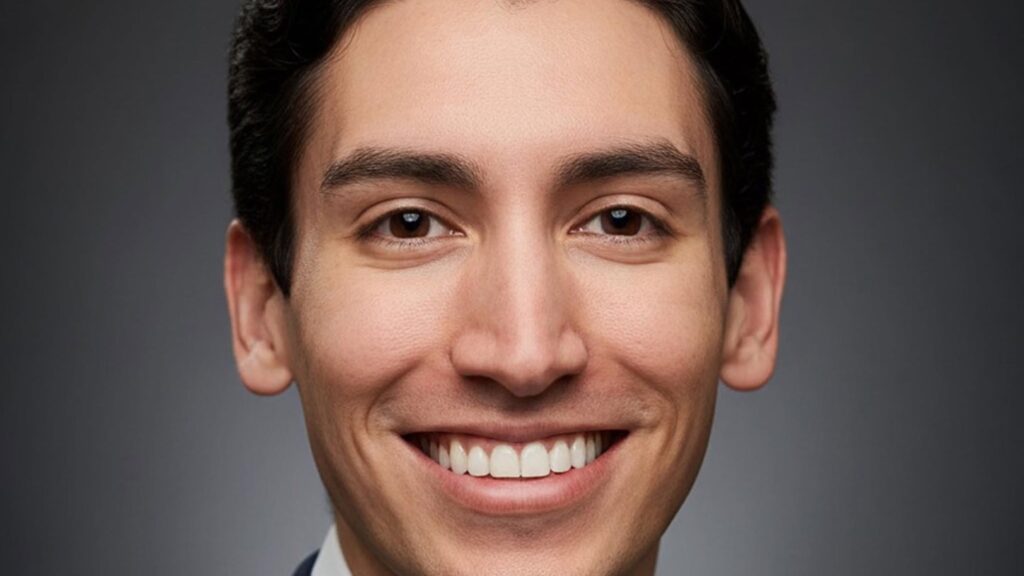
SANTA FE — U.S. Department of Homeland Security officials told Rep. John Block, R-Otero, that federal immigration authorities have no data on the scale of international surrogacy arrangements that result in U.S. citizenship for children raised abroad, an admission the freshman lawmaker called “a serious gap” in a Facebook post responding to the department’s reply.
Block sent a letter dated March 26 to DHS Secretary Markwayne Mullin raising concerns about non-resident foreign nationals using U.S.-based surrogacy services to secure birthright citizenship for children who are then raised outside the country. He asked whether DHS had assessed the long-term security or immigration implications and whether existing law adequately addresses the practice.
DHS Assistant Secretary Christopher C. Hull, of the department’s Office of Partnership and Engagement, responded in a July 22 letter obtained by the Sentinel. Hull wrote that U.S. Citizenship and Immigration Services “does not currently have data on the number or scale of international surrogacy arrangements involving non-resident foreign nationals and does not currently track surrogacy agreements or resulting births.” Many states also do not track such arrangements, according to the letter.
Hull cited an abstract published in the National Library of Medicine indicating that of 40,177 embryo transfers to gestational carriers between 2014 and 2020, 32% involved international intended parents, with 41.7% of those coming from China.
The letter noted there is no federal surrogacy law, and that state statutes vary — Michigan and New York both bar surrogacy contracts and won’t enforce them. A child born in the U.S. can obtain a passport or other documentation with a birth certificate regardless of a surrogate’s or intending parents’ immigration status, Hull wrote, under the Fourteenth Amendment’s citizenship guarantee.
Hull’s response also addressed the U.S. Supreme Court’s June 30 ruling in Trump v. Barbara, which upheld birthright citizenship and struck down President Donald Trump’s executive order seeking to limit it. The letter states the administration believes the ruling was wrongly decided and is “actively exploring alternative options,” citing a Trump social media post calling the decision “too bad for our Country” while suggesting Congress could revisit the issue through legislation.
Block, who sits on the House Government, Elections and Indian Affairs Committee, said in a Facebook post that citizenship “is sacred — not a loophole,” and thanked Mullin for the department’s response. He said he is continuing to “protect the integrity of American citizenship and keep New Mexico safe.”
Neither Block’s office nor DHS could immediately be reached for additional comment.